Lauren Davis
$2 million

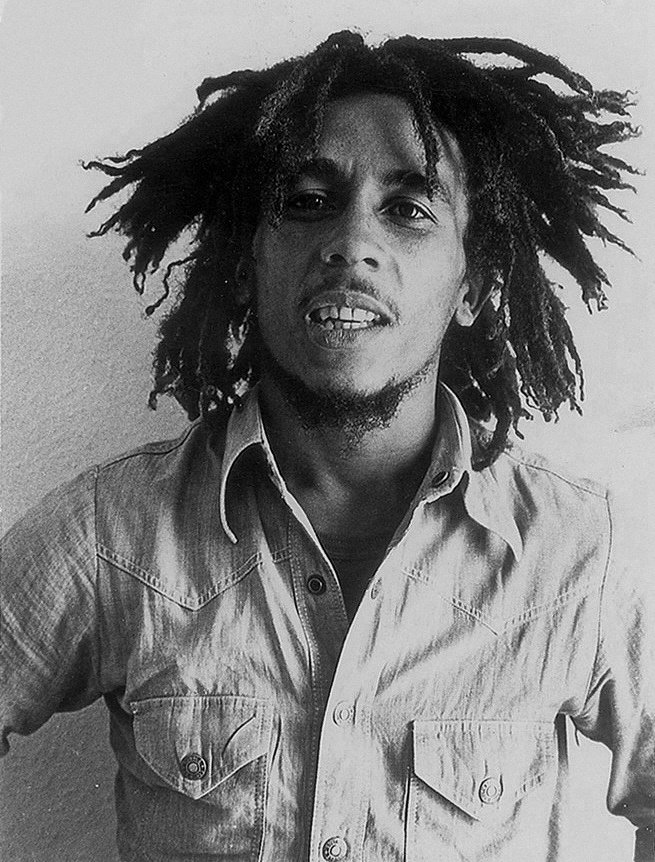
Bob Marley’s estate is valued at an estimated $130 million, making it one of the most enduring music legacies in the world. Robert Nesta Marley was a Jamaican singer, songwriter, and guitarist who pioneered reggae music and became a global symbol of Rastafarian culture, social justice, and Jamaican identity. He died on May 11, 1981, at the age of 36, from acral lentiginous melanoma — a form of skin cancer that had spread to his lungs and brain. Despite dying without a formal will, his estate has grown into a multimillion-dollar enterprise spanning music royalties, licensing, merchandise, and entertainment ventures including a Las Vegas residency show.
Updated March 2026: According to Forbes, the Bob Marley estate earned $13 million in the twelve months to October 2025, ranking ninth on the Forbes list of highest-earning deceased celebrities. Total estate revenues are bolstered by music royalties, the Bob Marley: Hope Road Las Vegas show launched in June 2025, and ongoing global licensing of his name and likeness.
Robert Nesta Marley was born on February 6, 1945, in Nine Mile, Saint Ann Parish, Jamaica, to Norval Sinclair Marley, a white Jamaican plantation overseer of English descent, and Cedella Booker, an Afro-Jamaican woman who was 18 years old at his birth. Norval Marley was 50 at the time and largely absent from his son’s life, dying of a heart attack in 1955. Bob Marley grew up in poverty in Nine Mile, attending Stepney Primary and Junior High School in Saint Ann. At the age of 12, following his mother’s move to Kingston, Marley relocated to the Trenchtown neighborhood in the capital, where he lived in government-subsidized housing. Trenchtown’s vibrant street culture, poverty, and musical scene proved foundational to his artistic development. He formed early friendships with Peter Tosh and Bunny Wailer, both future members of The Wailers.
Marley began his professional music career in 1963 when he co-founded the group the Teenagers with Peter Tosh and Bunny Wailer, which quickly became the Wailing Wailers and then simply The Wailers. The group released their debut studio album, The Wailing Wailers, in 1965, which included the original version of “One Love.” Through the late 1960s, the group worked with producer Lee “Scratch” Perry and began developing the distinct reggae sound — slower and more rhythmically complex than ska or rocksteady — that would define their legacy.
The pivotal turning point came in 1972 when The Wailers signed to Island Records, founded by Chris Blackwell, who recognized their international commercial potential. Island released Catch a Fire (1973) and Burnin’ (1973), which brought the group to international attention. In 1974, the original Wailers lineup disbanded, with Marley continuing under the name Bob Marley and the Wailers with new backing musicians. The album Natty Dread (1974) received strong reviews, and the live album Live! (1975) became a landmark recording.
Marley achieved breakthrough global fame with Rastaman Vibration (1976), which reached the top ten of the U.S. Billboard chart — an unprecedented achievement for a Jamaican artist. The 1977 album Exodus spent 56 weeks on the UK album chart and was later named by Time magazine as the Album of the Century. “One Love/People Get Ready,” “Jamming,” and “Three Little Birds” became some of the most recognized songs of the 20th century. In December 1976, Marley survived an assassination attempt at his Kingston home, during which he, his wife Rita, and manager Don Taylor were shot. He performed at the Smile Jamaica Concert two days later despite his injuries.
In 1977, Marley was diagnosed with acral lentiginous melanoma under the nail of his right big toe — he had injured it playing football. He declined amputation, believing it contrary to Rastafarian principles, a decision that contributed to the cancer’s spread. He continued recording and touring until 1980, when he collapsed while jogging in New York’s Central Park. His final North American tour was cut short in September 1980. He died at Cedars of Lebanon Hospital in Miami on May 11, 1981, while returning to Jamaica. He was 36 years old. Bob Marley was awarded a Grammy Lifetime Achievement Award posthumously in 2001 and inducted into the Rock and Roll Hall of Fame in 1994.
Marley’s personal life was complex. He married Rita Anderson on February 10, 1966, and remained with her until his death, despite well-documented relationships with other women. Bob Marley fathered at least 11 recognized children: Sharon Marley (born 1964, Rita’s daughter from a prior relationship whom Marley adopted), Cedella Marley (born 1967), David “Ziggy” Marley (born 1968), Stephen Marley (born 1972), Rohan Marley (born 1972), Karen Marley (born 1973), Stephanie Marley (born 1974, Rita’s daughter from another relationship whom Marley acknowledged), Julian Marley (born 1975), Ky-Mani Marley (born 1976), Damian Marley (born 1978), and Makeda Marley (born 1981). Several of his children have pursued music careers, including Ziggy, Stephen, Julian, Ky-Mani, and Damian Marley.
Marley died without leaving a formal will, as his Rastafarian beliefs discouraged concern with worldly possessions and mortality. Under Jamaican intestate law, 10 percent of his estate went to Rita, who also received a 45 percent life estate interest, with the remaining 45 percent divided equally among his children. The estate took nearly 30 years to fully settle due to disputes over the number of recognized heirs and control of the catalog. Marley is buried at his birthplace in Nine Mile, Saint Ann, Jamaica, which is now a museum and pilgrimage site.
Bob Marley’s estate is currently estimated at $130 million. At the time of his death in 1981, his net worth was approximately $30 million. The estate has grown through decades of music royalty income, licensing deals, branded merchandise, and entertainment ventures. The estate earned $13 million in 2025 according to Forbes, and $30 million in 2024, largely driven by the Bob Marley: One Love biographical film.
The Bob Marley estate earns income through music royalties from the ongoing global popularity of albums such as Legend and Exodus, merchandise and licensing fees managed under the House of Marley and Marley Natural brands, the Primary Wave music publishing partnership, the Bob Marley: Hope Road Las Vegas entertainment residency, and continued licensing of his name and image for products ranging from cannabis goods to consumer electronics.
No. Bob Marley died without a formal will on May 11, 1981, in Miami, Florida. He reportedly declined to create one based on his Rastafarian beliefs, which discouraged concern with earthly possessions. His estate was divided under Jamaican intestate law, with 10 percent going to his wife Rita and the remainder split between a life estate interest for Rita and equal shares for his 11 recognized children. The resulting legal disputes took approximately 30 years to resolve fully.
Bob Marley was born on February 6, 1945, in Nine Mile, Saint Ann Parish, Jamaica. He passed away on May 11, 1981, from acral lentiginous melanoma, at just 36 years old. Had he lived, Bob Marley would be 81 years old as of March 2026.
Bob Marley stood 5 feet 7 inches tall (170 cm). Despite his relatively modest stature, his commanding stage presence made him one of the most iconic performers in music history.
Bob Marley married Rita Marley (born Alpharita Constantia Anderson) in February 1966. Rita remained devoted to Bob throughout his life and has continued to preserve his legacy after his death in 1981. She has been instrumental in managing the Bob Marley estate and foundation.
Bob Marley fathered 11 acknowledged children: Sharon, Cedella, Ziggy, Stephen, Robbie, Rohan, Karen, Stephanie, Julian, Ky-Mani, and Damian. Several of his children, including Ziggy, Stephen, Damian, Julian, and Ky-Mani, have followed in his footsteps and pursued music careers. His youngest son, Damian “Jr. Gong” Marley, is among the most commercially successful of the Marley children.
Bob Marley’s most famous residence was 56 Hope Road in Kingston, Jamaica, which served as both his home and recording studio. Following his death, the property was converted into the Bob Marley Museum, one of Jamaica’s most-visited tourist attractions. He also spent time in London and spent his final months seeking cancer treatment in various locations including Germany and New York.